
The Influence of Social Media on Illustration Styles
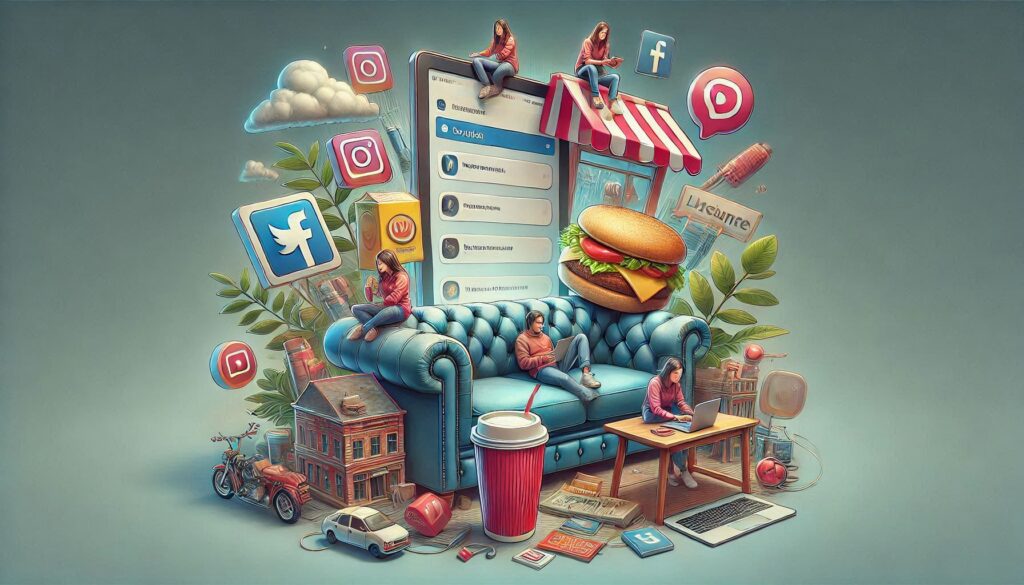
In the digital age, social media has become a powerful force shaping creative industries, including the world of illustration. Platforms like Instagram, Pinterest, TikTok, and Behance have transformed how artists create, share, and interact with their work, fundamentally altering illustration styles and trends. This cultural shift has democratized access to art, enabled unprecedented visibility for illustrators, and fostered a global exchange of ideas that continues to redefine the boundaries of artistic expression.
One of the most significant impacts of social media on illustration styles is the emphasis on immediacy and visual appeal. Platforms like Instagram prioritize content that is eye-catching and digestible within seconds, leading illustrators to adapt their styles to suit this environment. Bold colors, simplified compositions, and dynamic visuals have become hallmarks of work designed for the social media landscape. Artists often experiment with styles that grab attention within crowded feeds, focusing on vibrant palettes and striking contrasts to make their work stand out.
Social media’s influence is also evident in the rise of niche and personalized illustration styles. Unlike traditional gallery or commercial work, social media allows illustrators to connect directly with specific audiences, often fostering loyal communities around unique aesthetics or themes. For instance, the proliferation of hand-drawn, imperfect styles reflects a cultural shift towards authenticity and relatability. Illustrators embrace visible brushstrokes, playful imperfections, and organic textures, creating works that feel personal and approachable.
Collaboration and cultural exchange are central to the evolution of illustration styles in the social media era. Platforms provide a space where artists from diverse backgrounds can showcase their work and engage with global audiences. This interconnectedness has resulted in the blending of styles, as illustrators draw inspiration from different cultures, genres, and artistic traditions. For example, the fusion of traditional Japanese ink techniques with contemporary digital tools is just one instance of how social media facilitates cross-cultural creativity.
The format of social media itself often dictates stylistic choices. TikTok and Instagram Reels, which prioritize short-form video content, have pushed illustrators to incorporate motion and interactivity into their work. Animated illustrations and time-lapse videos of the creative process are particularly popular, offering viewers a behind-the-scenes look that adds depth to the finished piece. This trend has also encouraged artists to explore hybrid styles, combining traditional illustration techniques with digital animation.
At the same time, the algorithms that drive social media platforms can create challenges for illustrators. The emphasis on engagement metrics such as likes, shares, and comments can pressure artists to prioritize content that conforms to popular trends or formats, potentially stifling originality. Additionally, the rapid pace of content consumption can make it difficult for illustrators to sustain long-term projects or more intricate styles, as the demand for regular updates often favors quicker, more streamlined creations.
Despite these challenges, social media has democratized access to the illustration industry. In the past, illustrators often relied on publishers, agents, or galleries to showcase their work. Today, platforms like Behance and Dribbble offer spaces where illustrators can build portfolios, connect with clients, and gain exposure without traditional gatekeepers. This accessibility has allowed emerging artists to reach global audiences, often leading to career-defining opportunities. Many illustrators have built thriving careers entirely through their social media presence, using platforms as springboards for freelance projects, collaborations, or merchandise sales.
Social media also serves as a powerful tool for storytelling and advocacy. Illustrators use their work to address social and political issues, leveraging the viral nature of platforms to amplify their messages. The rise of infographic-style illustrations during movements like Black Lives Matter and climate change protests underscores the medium’s capacity to inform and inspire action. The immediacy of social media allows illustrators to respond to current events in real-time, creating work that is both timely and impactful.
The influence of social media extends to the tools and technologies illustrators use. Many digital illustration apps, such as Procreate and Adobe Fresco, are designed with social sharing in mind, offering features that streamline the process of creating and posting content. These tools have made it easier for illustrators to experiment with different styles and share their progress with followers, fostering a sense of community and collaboration.
Looking ahead, the relationship between social media and illustration styles will likely continue to evolve. As platforms prioritize new formats, such as augmented reality (AR) filters and virtual reality (VR) environments, illustrators are exploring how these technologies can expand the possibilities of their craft. Social media’s ever-changing landscape ensures that the medium of illustration remains dynamic, with endless opportunities for innovation.
In conclusion, social media has profoundly shaped the world of illustration, influencing everything from stylistic choices to career opportunities. While the fast-paced, engagement-driven nature of these platforms presents challenges, it also fosters creativity, collaboration, and inclusivity. By navigating this digital ecosystem, illustrators continue to redefine their art, finding new ways to connect with audiences and express their vision in an increasingly interconnected world.
References
1. Heller, Steven. Graphic Design on the Internet: Trends in the Social Media Era. Design Press, 2024.
2. “The Impact of Social Media on Creative Industries.” Creative Review. Accessed January 2025. https://www.creativereview.com/social-media-creative-industries.
3. “How Instagram is Changing the Art World.” The Art Newspaper. Accessed January 2025. https://www.theartnewspaper.com/instagram-art-world.
4. “Illustrators on TikTok: Merging Art with Motion.” Art & Tech Journal. Accessed January 2025. https://www.artandtechjournal.com/tiktok-illustration.
5. “The Evolution of Digital Illustration Tools.” Creative Bloq. Accessed January 2025. https://www.creativebloq.com/digital-illustration-tools.
If interested in having an art piece done you can visit my Fiverr Pro account, or like any of my caricatures or animal art, please contact me for details.