
The Genius of Beatrix Potter: From Nature Illustrations to Timeless Stories
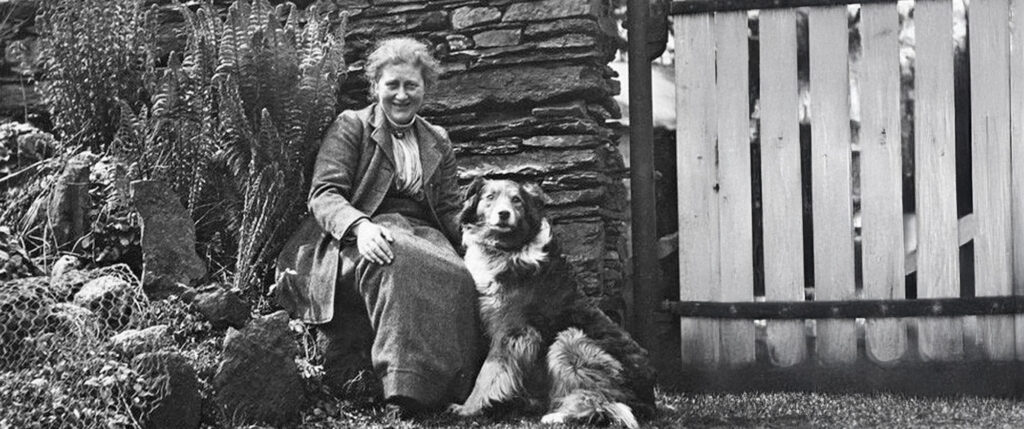
Beatrix Potter is a name that evokes fond memories of childhood, a world of curious rabbits, mischievous kittens, and enchanting woodland landscapes. But beyond her beloved characters, Beatrix Potter was a visionary artist, storyteller, and naturalist whose work continues to captivate audiences of all ages. Her genius lay not only in her ability to create timeless tales but also in her pioneering spirit as a self-published author and conservationist. This article explores Potter‘s multifaceted career, from her early nature illustrations to the enduring legacy of her literary creations.
Born on July 28, 1866, in Kensington, London, Helen Beatrix Potter grew up in a privileged household. Her parents, Rupert and Helen Potter, encouraged intellectual pursuits but adhered to the rigid social norms of Victorian England. As a result, young Beatrix was largely confined to the family home, where she spent much of her time observing and sketching animals and plants. These early years laid the foundation for her lifelong fascination with nature.
Potter’s artistic talents were evident from a young age. She and her younger brother Bertram often collected small animals and studied them closely, creating detailed sketches of their anatomy and behavior. Her illustrations were not mere copies but highly accurate and expressive renderings that demonstrated her keen observational skills. This dedication to detail would later define her work as both an artist and a writer.
In her twenties, Potter began creating scientifically accurate drawings of fungi and plants. Her watercolors of mushrooms and other flora were so precise that they were submitted to the Linnean Society, a prestigious scientific institution. Though her work was initially dismissed due to her gender, modern mycologists have since recognized the scientific value of her illustrations. Potter’s love for the natural world permeated all her creations, grounding her whimsical stories in a sense of realism and authenticity.
The turning point in Potter’s career came with the publication of The Tale of Peter Rabbit in 1902. Initially self-published after multiple rejections, the book was an instant success, selling thousands of copies within its first year. Its charm lay in its simplicity: a rebellious rabbit, a stern gardener, and a moral lesson woven into a captivating narrative. What set Potter’s work apart was her ability to merge engaging storytelling with exquisite illustrations. Each page was meticulously planned, her watercolors bringing the characters and their surroundings to life with warmth and vibrancy.
Following the success of Peter Rabbit, Potter wrote and illustrated a series of tales, including The Tale of Squirrel Nutkin, The Tale of Benjamin Bunny, and The Tale of Jemima Puddle-Duck. Each story introduced readers to a cast of anthropomorphic animals, drawn from her deep observations of wildlife. Her works were not merely children’s books; they were celebrations of the natural world, imbued with wit, charm, and an understanding of human nature.
Potter’s genius extended beyond her artistic talents. As a businesswoman, she retained creative control over her work, an uncommon achievement for women of her time. She understood the commercial potential of her creations, licensing merchandise such as toys, wallpaper, and china featuring her characters. This entrepreneurial foresight helped cement her stories’ place in popular culture, ensuring their continued relevance.
In addition to her literary achievements, Potter was a passionate conservationist. She used the proceeds from her books to purchase and preserve farmland in the Lake District, a region she loved dearly. By the time of her death in 1943, she had bequeathed over 4,000 acres of land to the National Trust, ensuring the protection of the area’s natural beauty for future generations. Her dedication to conservation was as integral to her legacy as her contributions to literature and art.
Potter’s influence extends far beyond her own works. Her characters and stories have inspired adaptations in various forms, from animated films to stage productions. More importantly, her approach to storytelling—blending humor, empathy, and respect for the natural world—has set a standard for children’s literature. Contemporary authors and illustrators often cite her as a source of inspiration, a testament to the enduring power of her vision.
Today, Beatrix Potter is celebrated not just as the creator of Peter Rabbit but as a pioneer who bridged the worlds of art, science, and storytelling. Her ability to infuse her tales with authenticity and imagination continues to resonate, reminding us of the importance of cherishing the natural world and nurturing our creative spirits. Through her timeless stories and her contributions to conservation, Potter’s legacy remains as vibrant and enduring as the characters she brought to life.
References
1. Lane, Margaret. The Magic Years of Beatrix Potter. Frederick Warne & Co., 1946.
2. Lear, Linda. Beatrix Potter: A Life in Nature. St. Martin’s Griffin, 2007.
3. “Beatrix Potter and the Lake District.” The National Trust. Accessed January 2025. https://www.nationaltrust.org.uk/beatrix-potter.
4. “The Art of Beatrix Potter: An Exhibition.” The Victoria and Albert Museum. Accessed January 2025. https://www.vam.ac.uk/beatrix-potter-art.
5. “Beatrix Potter’s Scientific Illustrations.” Royal Society Journal. Accessed January 2025. https://www.royalsociety.org/potter-science.
If interested in having an art piece done you can visit my Fiverr Pro account, or like any of my caricatures or animal art, please contact me for details.