
Illustration in Augmented Reality (AR): The Next Big Trend
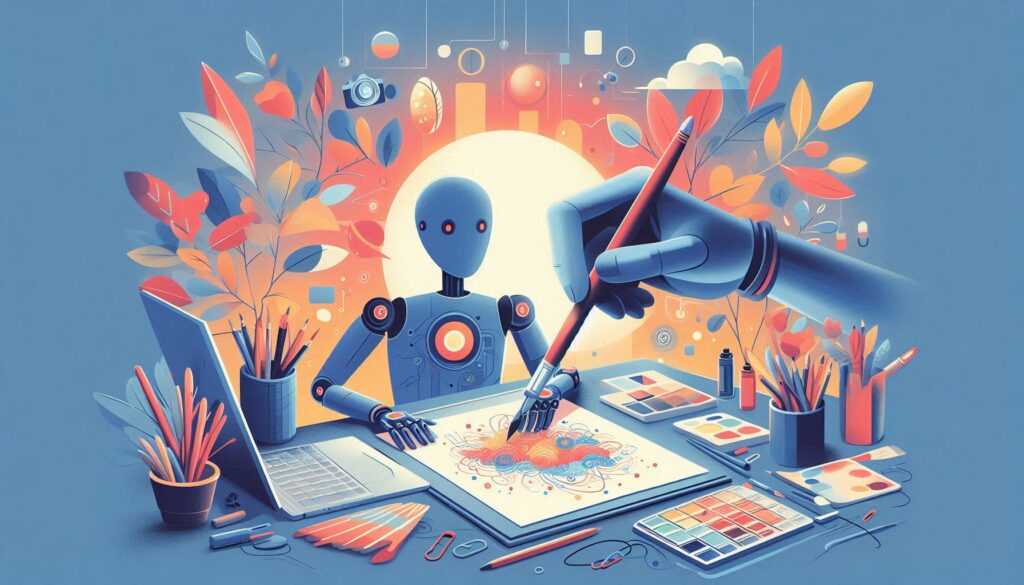
In the ever-evolving world of technology and art, augmented reality (AR) is emerging as a transformative force, reshaping the way we interact with visuals and storytelling. Among the many art forms being revolutionized by AR, illustration stands out as a medium that is thriving in this dynamic, interactive environment. By blending the traditional with the futuristic, illustrators are unlocking new creative possibilities and forging deeper connections with audiences. As AR continues to gain momentum across industries, illustration in AR is positioned to become the next big trend, redefining how we experience art in the digital age.
The Intersection of Illustration and AR
At its core, illustration is about visual storytelling, using imagery to evoke emotion, convey information, or spark imagination. Augmented reality amplifies these capabilities by overlaying digital illustrations onto the physical world, creating an immersive experience that engages viewers in entirely new ways. Unlike static, two-dimensional illustrations, AR illustrations can be interactive, multi-dimensional, and context-aware. They can respond to user movements, change in real time, and provide layers of information that enhance their visual appeal.
One of the most compelling aspects of AR illustration is its ability to break free from the constraints of traditional mediums. Artists can now create illustrations that leap off the page, interact with their surroundings, and invite viewers to engage directly with the artwork. For instance, an AR-enhanced children’s book might feature characters that come to life when viewed through a smartphone, turning reading into an interactive adventure. Similarly, a mural on a city wall could transform into a vibrant animated scene, enriching the urban landscape with storytelling that evolves over time.
Applications Across Industries
Illustration in AR is finding applications in diverse fields, from entertainment and education to retail and healthcare. In the entertainment industry, AR is enabling illustrators to create immersive games and interactive experiences that blur the lines between digital and physical worlds. Mobile AR games like Pokémon Go have already demonstrated the enormous potential of combining illustrations with location-based technology to engage users in novel ways. This approach is now being extended to theme parks, live performances, and even virtual concerts, where AR illustrations enhance the visual spectacle.
In education, AR illustrations are transforming how students learn and interact with complex subjects. Science textbooks, for example, can include AR-activated illustrations that allow students to explore 3D models of cells, planets, or historical artifacts. By making abstract concepts tangible and interactive, AR illustrations enhance comprehension and retention, particularly for visual learners.
Retail and marketing are also leveraging the power of AR illustration to create memorable brand experiences. AR-enhanced packaging designs, for instance, can feature illustrations that reveal hidden stories or animations when scanned with a smartphone. This not only captures consumer attention but also fosters deeper engagement with the brand. Similarly, fashion brands are experimenting with AR illustrations in virtual try-ons, enabling customers to visualize products in their environment before making a purchase.
Healthcare is another field where AR illustration is making a significant impact. Medical illustrators are using AR to create interactive models that help patients and practitioners better understand complex procedures or anatomical structures. These visualizations provide a more intuitive way to communicate medical information, improving patient education and outcomes.
Challenges and Opportunities
While the possibilities of illustration in AR are vast, this burgeoning field also comes with its own set of challenges. One major hurdle is the technological barrier, as creating high-quality AR illustrations requires specialized skills and tools. Artists must be adept at not only traditional illustration techniques but also 3D modeling, animation, and coding. Additionally, ensuring compatibility across different AR platforms and devices can be a complex and time-consuming process.
There is also the question of accessibility. AR experiences often rely on smartphones, tablets, or AR glasses, which may not be readily available to all audiences. As technology becomes more affordable and widespread, however, these barriers are expected to diminish, paving the way for broader adoption of AR illustrations.
Despite these challenges, the opportunities in this space are immense. AR offers illustrators a chance to push creative boundaries and reach global audiences in ways that were previously unimaginable. By embracing AR, artists can explore new dimensions of storytelling, experiment with interactivity, and collaborate with professionals from diverse disciplines. This fusion of art and technology is not only redefining illustration but also reshaping how people engage with visual content.
The Future of AR Illustration
As AR technology continues to advance, the potential for illustration in AR is only set to grow. The development of more sophisticated AR devices, such as lightweight glasses and holographic displays, will open up new avenues for immersive experiences. Artists will have greater freedom to create illustrations that seamlessly integrate with the physical world, offering audiences richer and more personalized interactions.
Moreover, the integration of AR with other emerging technologies, such as artificial intelligence (AI) and virtual reality (VR), promises to take AR illustration to new heights. AI could assist illustrators by automating repetitive tasks, generating design suggestions, or even enabling real-time customization of AR experiences based on user preferences. Meanwhile, the convergence of AR and VR could result in hybrid environments where illustrations transcend the boundaries of physical and virtual spaces.
Illustration in AR is not just a fleeting trend; it represents a paradigm shift in how art is created and experienced. By harnessing the power of AR, illustrators are redefining the possibilities of their craft, offering audiences a glimpse into a future where art is more interactive, engaging, and immersive than ever before. As this field continues to evolve, it holds the promise of transforming not only illustration but also the broader landscape of visual communication.
References
1. Brown, L. (2025). Augmented Reality and the Future of Visual Storytelling. Immersive Art Publishing.
2. Jones, T. (2024). “The Rise of AR Illustration in Modern Design.” Digital Trends Quarterly. Retrieved from [www.digitaltrends.com](http://www.digitaltrends.com)
3. Lee, S. (2023). “Interactive Learning: How AR is Revolutionizing Education.” EdTech Journal. Retrieved from [www.edtechjournal.com](http://www.edtechjournal.com)
4. Miller, J. (2022). Art Meets Tech: Exploring AR in Illustration. Creative Horizons Press.
5. Smith, R. (2025). “AR Illustration in Healthcare: Bridging Art and Science.” Medical Visualization Review. Retrieved from [www.medvizreview.com](http://www.medvizreview.com)
If interested in having an art piece done you can visit my Fiverr Pro account, or like any of my caricatures or animal art, please contact me for details.