
Illustrating for a Cause: How Artists Are Raising Awareness Through Their Work
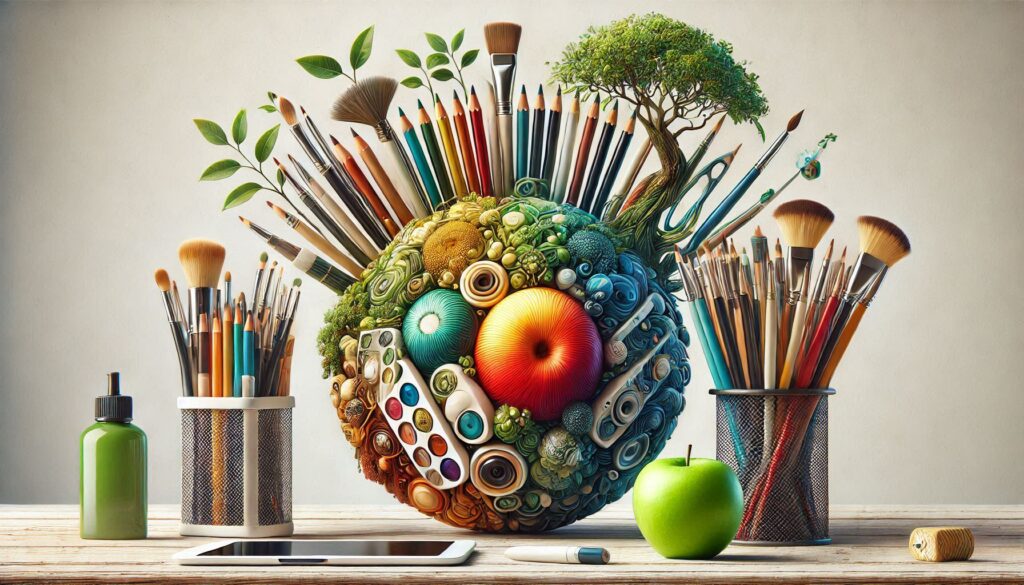
Art has always been a powerful medium for communication, capable of transcending barriers and stirring emotions. In recent years, illustrators have increasingly harnessed their talents to shine a light on critical social, environmental, and humanitarian issues. By combining creative expression with advocacy, these artists are not only raising awareness but also inspiring action in ways that resonate deeply with diverse audiences. This article explores how illustrators are using their craft to champion causes, the unique challenges they face, and the transformative impact of their work.
Illustration, as a visual art form, has a unique capacity to distill complex messages into accessible, engaging imagery. This makes it an especially effective tool for advocacy. Over the decades, illustrations have been at the forefront of movements for change, from political cartoons during the civil rights era to contemporary digital campaigns addressing climate change. The combination of striking visuals and evocative storytelling enables illustrators to cut through the noise and connect with viewers on an emotional level, making abstract or distant issues feel immediate and personal.
One significant area where illustrators are making an impact is in environmental advocacy. As the urgency of climate change grows, artists are creating compelling visuals that depict the consequences of environmental degradation and the beauty of a world worth saving. These works range from digital illustrations shared widely on social media to large-scale murals in urban settings. Illustrators like Zaria Forman, who specialises in hyper-realistic depictions of melting icebergs and rising sea levels, use their art to draw attention to the fragility of our planet. Their works not only raise awareness but also encourage viewers to engage with the issue and consider their role in driving change.
Social justice is another realm where illustrators have made a profound impact. From the #BlackLivesMatter movement to campaigns for LGBTQ+ rights, artists have used their skills to amplify marginalized voices and challenge systemic injustices. Illustration’s ability to evoke empathy and create solidarity has proven invaluable in mobilizing communities. For instance, during the COVID-19 pandemic, illustrators created graphics to promote mask-wearing, social distancing, and vaccination, often tailoring their work to address cultural and linguistic diversity. By presenting critical information in a visually appealing and relatable format, these artists played a key role in public health education.
Humanitarian causes have also found strong allies in illustrators. Many organisations collaborate with artists to convey the urgency of their missions, from fighting hunger and poverty to supporting refugees. Illustrators often lend their talents to nonprofits and charities, creating visuals for fundraising campaigns, educational materials, and awareness events. These collaborations are particularly effective because they blend creativity with purpose, ensuring that the message resonates with audiences while maintaining a sense of authenticity and urgency.
The rise of digital platforms has amplified the reach of illustration for a cause. Social media, in particular, has become a powerful tool for illustrators to share their work and engage with global audiences. Platforms like Instagram, Pinterest, and TikTok enable artists to reach millions, transforming a single image into a viral statement. Digital illustration also allows for real-time responses to current events, enabling artists to participate in ongoing conversations and movements. For instance, illustrators quickly responded to events such as the war in Ukraine, creating visuals that highlighted the human cost of conflict and rallied support for humanitarian aid.
Despite the significant impact of their work, illustrators advocating for causes face unique challenges. Balancing artistic vision with the demands of advocacy can be difficult, as artists must ensure their work remains authentic while effectively communicating the intended message. Additionally, the emotional toll of engaging with heavy topics like war, inequality, or environmental destruction can be significant. Many illustrators invest deeply in the causes they support, often drawing from personal experiences or connections, which can make their work both deeply meaningful and emotionally taxing.
The financial aspect also poses challenges, as not all advocacy work is compensated fairly. While some illustrators partner with well-funded organisations or secure grants, others rely on personal resources or crowdfunding to sustain their efforts. This underscores the need for greater recognition and support for artists who dedicate their talents to driving social change.
Ultimately, the power of illustration lies in its ability to humanise abstract issues and inspire collective action. Whether through a poster on a city street, a shareable graphic on social media, or a poignant image in a gallery, illustrators are making a difference in ways that transcend traditional advocacy. Their work not only informs but also uplifts, reminding us of the shared humanity at the heart of every cause.
As we navigate an increasingly complex world, the role of illustrators as storytellers and advocates will only grow in importance. Their ability to translate ideas into visual language has the potential to reach across divides, spark dialogue, and mobilize change. Through their art, these creators remind us that even in the face of daunting challenges, creativity and compassion can be powerful forces for good.
References
1. McNiff, Dawn. Art for Change: The Role of Illustration in Social Movements. Creative Press, 2020.
2. “Illustrating Advocacy: The Intersection of Art and Activism.” The Illustrator’s Journal. Accessed January 2025. https://www.illustratorsjournal.org/art-and-advocacy.
3. “Environmental Art: Using Creativity to Address Climate Change.” Sustainable Design Weekly. Accessed January 2025. https://www.sustainabledesignweekly.com/environmental-art.
4. Forman, Zaria. “Raising Awareness Through Art.” Artist Spotlight Series. Accessed January 2025. https://www.zariaforman.com.
5. “Social Media and the Artist Advocate.” Art and Technology Quarterly. Accessed January 2025. https://www.arttechquarterly.com/social-media-artists.
If interested in having an art piece done you can visit my Fiverr Pro account, or like any of my caricatures or animal art, please contact me for details.