
From Popeye to Mickey: The 2025 Public Domain Boom in Commercial Art
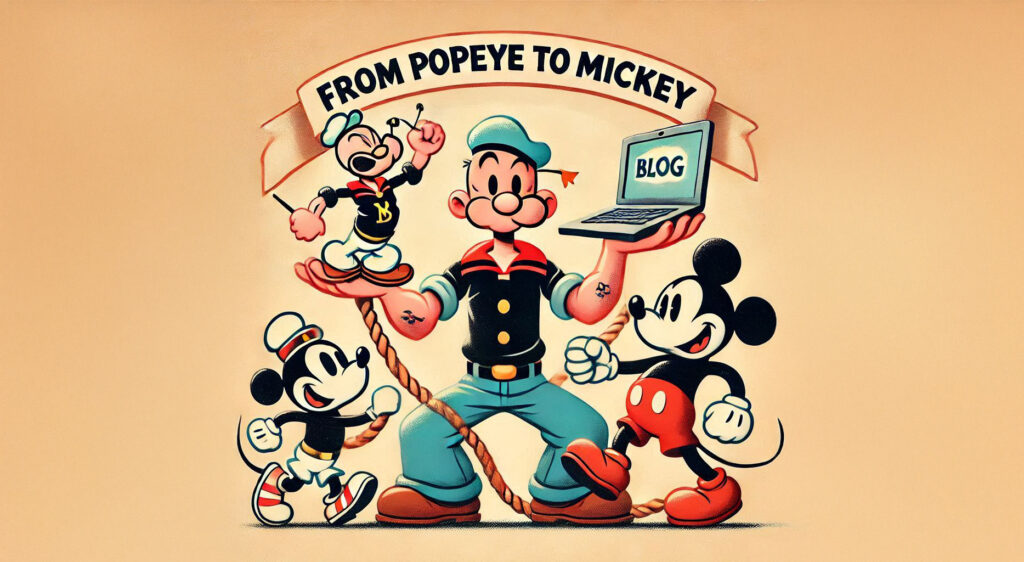
As 2025 unfolds, it marks a pivotal moment in the entertainment and commercial art world—a year when the copyrights for a significant body of famous works of commercial art come to an end. This legal milestone is not just a technicality but a cultural event with far-reaching implications for creators, businesses, and the broader public.
Understanding Copyright and the Public Domain
Copyright law is designed to protect the intellectual property of creators, granting them exclusive rights to use, distribute, and profit from their works for a specific period. However, these protections are not eternal. Once a copyright expires, the work enters the public domain, making it freely available for anyone to use without permission or payment.
In the United States and many other countries, the duration of copyright protection is typically the life of the author plus 70 years. For works of corporate authorship or anonymous works, the term is often 95 years from publication. As a result, each year sees a new wave of creative works entering the public domain.
Iconic Works Losing Copyright Protection in 2025
Among the works slated to enter the public domain in 2025 are those created in 1929 or by artists and creators who passed away in 1954. This includes a range of beloved commercial and pop culture figures whose creations have shaped the entertainment landscape for decades. For example, the cartoon character Popeye, created by Elzie Crisler Segar, will enter the public domain in many countries. Popeye’s adventures, his iconic relationship with Olive Oyl, and his enduring catchphrase, “I yam what I yam,” have made him a cultural icon.
Other works likely entering the public domain include early Mickey Mouse comic strips, as Disney’s initial copyright term for specific early works expires. Such milestones signify a new chapter for these beloved characters, as they become available for reinterpretation, adaptation, and broader use by fans, creators, and businesses alike.
The Cultural Implications of Public Domain Expansion
The transition of these works into the public domain has profound cultural implications. First, it democratizes access to cultural heritage, allowing people from all walks of life to engage with these characters and stories without barriers. Independent creators can produce new stories or merchandise featuring these characters without licensing fees, potentially revitalizing interest in these classics for new generations.
Furthermore, contemporary creators can draw directly from these newly accessible works. Filmmakers might reinterpret Popeye’s tales with modern themes, while digital artists could incorporate vintage Mickey Mouse elements into fresh designs. The end of copyright restrictions encourages innovation, blending past and present to forge new cultural expressions.
In addition to artistic opportunities, the expiration of copyrights also has economic implications. Publishers, toy companies, and other businesses can reintroduce these characters in new formats without paying licensing fees, leading to a resurgence of interest in retro branding and nostalgic products. However, this also means that the original copyright holders—or their corporate successors—will no longer receive royalties from the use of these works, shifting financial benefits to new actors in the creative economy.
Challenges and Ethical Considerations
While the public domain offers immense opportunities, it also raises challenges and ethical considerations. One concern is the potential for misuse or over-commercialization of these characters in ways that clash with their original spirit. For instance, Popeye could appear in contexts or products that diverge significantly from his original portrayal, raising questions about preserving legacy.
There is also the risk of cultural dilution, where widespread use of these characters in varied and sometimes trivial contexts might diminish their perceived value or significance. Balancing accessibility with respect for the historical and cultural importance of these works will require thoughtful stewardship from individuals, institutions, and industries alike.
Looking Ahead
The expiration of copyrights for famous commercial art in 2025 is not merely a legal development but a cultural turning point. It highlights the dynamic interplay between intellectual property, creativity, and public access. As works like Popeye’s adventures enter the public domain, they will gain new life in forms and contexts their creators may never have imagined. This transition underscores the enduring relevance of these characters and their ability to inspire future generations.
As we celebrate the arrival of these works into the public domain, it is essential to approach this moment with a sense of responsibility. By honoring the legacies of these creators while embracing the opportunities for innovation and collaboration, we can ensure that their contributions continue to enrich our world in meaningful and transformative ways.
References
1. U.S. Copyright Office. (2023). “Copyright Law of the United States and Related Laws Contained in Title 17 of the United States Code.” Retrieved from https://www.copyright.gov
2. Public Domain Review. (2024). “What Will Enter the Public Domain in 2025?” Retrieved from https://publicdomainreview.org
3. Ginsburg, J. C. (2020). “Creative Commons: The Expansion of the Public Domain.” Columbia Law Review, 120(5), 1385-1412.
4. World Intellectual Property Organization (WIPO). (2023). “Understanding Copyright.” Retrieved from https://www.wipo.int
5. Greenfield, J. (2022). “Cultural Heritage and the Public Domain.” Journal of Intellectual Property Law, 29(1), 45-67.
If interested in having an art piece done you can visit my Fiverr Pro account, or like any of my caricatures or animal art, please contact me for details.