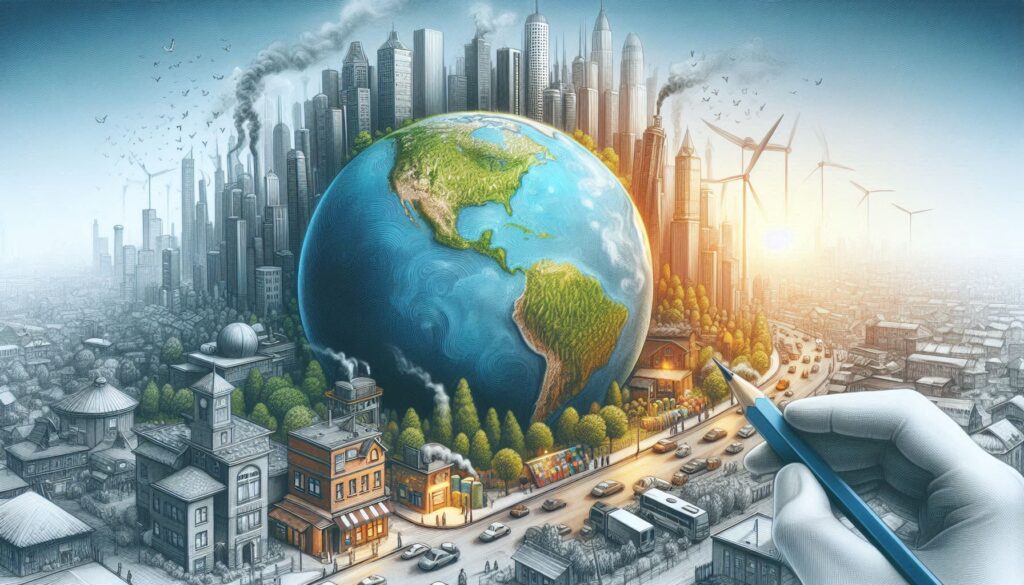
In a world increasingly focused on environmental preservation, the art and design communities are embracing sustainability as a core principle. For illustrators, this shift has created exciting opportunities to combine creativity with eco-conscious practices. This article explores how sustainability is shaping modern illustration, from materials and techniques to the messages conveyed through art.
The Rise of Sustainable Materials
One of the most significant ways illustrators are incorporating sustainability into their work is by using environmentally friendly materials. Traditional art supplies, such as paints and inks, often contain toxic chemicals or are derived from non-renewable resources. To counteract this, many artists are turning to:
- Plant-Based Inks: Derived from natural sources, these inks reduce reliance on petroleum-based products.
- Recycled Paper: Using paper made from post-consumer waste helps reduce deforestation.
- Natural Pigments: Artists are exploring pigments made from plants, minerals, and other natural resources, which are biodegradable and non-toxic.
Digital illustration has also gained traction as an eco-friendly alternative. By eliminating the need for physical materials, digital tools allow artists to create and share their work without generating waste.
Eco-Conscious Themes in Illustration
Sustainability is not only influencing how illustrations are created but also the stories they tell. Modern illustrators are using their platforms to promote environmental awareness, focusing on themes such as:
- Climate Change: Illustrations highlighting the effects of global warming or advocating for renewable energy.
- Biodiversity: Depictions of endangered species or harmonious ecosystems emphasize the importance of conservation.
- Waste Reduction: Artwork that inspires audiences to adopt zero-waste lifestyles or recycle effectively.
Through these themes, illustrators play a crucial role in educating and inspiring audiences to take action for a more sustainable future.
Innovative Techniques for a Greener Future
Illustrators are exploring innovative methods to reduce their environmental footprint while maintaining the integrity of their craft. These include:
- *Minimalist Design: Using simple, impactful visuals reduces the need for excessive resources and resonates with eco-conscious audiences.
- Repurposing Materials: Collage artists, for instance, often repurpose old magazines, newspapers, or discarded objects to create striking visuals.
- Digital Publishing: E-books, online galleries, and digital campaigns eliminate the need for printed materials, further reducing environmental impact.
Community and Collaboration
Eco-conscious art has also fostered a sense of community among illustrators. Platforms like Instagram and Behance enable artists to share sustainable practices, collaborate on projects, and raise awareness for environmental issues. Organizations such as Artists for Conservation and the Global Alliance for Green Artists provide resources and networks for eco-minded creators.
Challenges and Opportunities
While sustainability offers numerous benefits, it also presents challenges. Eco-friendly materials can be more expensive or harder to source, and digital tools often require energy, which may not always be from renewable sources. Despite these obstacles, the growing demand for sustainable art provides opportunities for innovation and leadership within the illustration community.
Conclusion
Sustainability is more than a trend; it is a vital shift that is reshaping how illustrators approach their craft. By prioritizing eco-conscious materials, embracing digital tools, and focusing on environmental themes, modern illustrators are proving that art can inspire change and contribute to a healthier planet. As the movement grows, it will undoubtedly continue to influence the next generation of artists and creators.
References
1. Schiffer, Miranda. Eco-Art: Sustainable Practices for Creative Professionals. Green Leaf Press, 2019.
2. “Sustainable Art Materials: A Guide for Creatives.” Eco-Art Collective. Accessed January 2025. https://www.ecoartcollective.org/sustainable-materials.
3. “Digital Art and the Environment: How Creatives Are Reducing Waste.” Art Futures Journal. Accessed January 2025. https://www.artfuturesjournal.com/digital-art-environment.
4. Kline, Emma. “Eco-Conscious Illustrators to Follow in 2025.” Creative Earth Magazine. Accessed January 2025. https://www.creativeearthmag.com/eco-conscious-illustrators.