
Dark Academia and Gothic Illustration: A Growing Niche
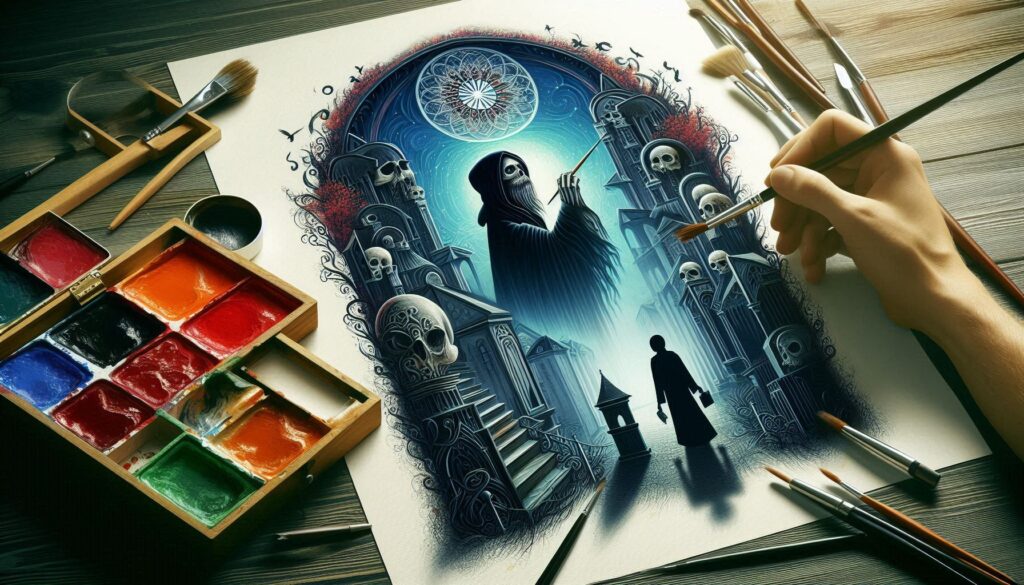
In recent years, Dark Academia has emerged as a captivating subculture, blending intellectual pursuits with moody aesthetics. Rooted in a romanticized view of classical education, it draws from 19th-century literature, Gothic architecture, and a melancholic love of art, philosophy, and history. Complementing this cultural movement is a rising demand for Gothic illustration, a visual art style that embodies the themes and mood of Dark Academia. Together, these artistic and cultural expressions are creating a growing niche that resonates deeply with audiences worldwide, particularly among younger generations seeking depth and nostalgia in their aesthetic choices.
Understanding Dark Academia
Dark Academia is both an aesthetic and a lifestyle. It romanticizes intellectualism, often focusing on classical studies, literature, and art. Imagine candlelit libraries filled with leather-bound books, ivy-covered stone buildings, and the quiet hum of an ancient world preserved in modernity. Dark Academia thrives on a moody, melancholic color palette: deep browns, dark greens, charcoal greys, and muted golds dominate its visual language.
What sets Dark Academia apart from other subcultures is its celebration of a bygone era. It reflects a yearning for the rituals and aesthetics of the past, where handwritten letters, wax seals, and vintage maps evoke a sense of connection to history. This cultural ethos translates seamlessly into the world of illustration, where Gothic motifs and intricate details bring the aesthetic to life.
The Rise of Gothic Illustration
Gothic illustration—characterized by dramatic contrasts, intricate line work, and dark, atmospheric tones—is a perfect match for the themes of Dark Academia. These illustrations often depict brooding landscapes, decaying architecture, and hauntingly beautiful figures. They draw inspiration from Gothic literature and art, echoing the works of Edgar Allan Poe, Mary Shelley, and the Pre-Raphaelites.
This art form flourishes in digital and print mediums alike, from book covers and posters to social media posts and merchandise. Gothic illustration’s growing popularity is partly fueled by the resurgence of print media in niche markets. Indie publishers and artists are embracing the tactile qualities of books and prints, using Gothic-inspired visuals to create a sense of timelessness and authenticity. The intricate, labor-intensive nature of these illustrations also appeals to audiences seeking craftsmanship in a fast-paced, digital world.
Why Dark Academia and Gothic Illustration Resonate
The appeal of Dark Academia and Gothic illustration lies in their ability to evoke complex emotions. They invite audiences to explore themes of beauty, mortality, and the sublime, offering a stark contrast to the polished perfection of mainstream media. The aesthetic’s embrace of imperfection—from crumbling facades to weathered textures—resonates with individuals seeking depth and authenticity in their creative expressions.
This niche also provides a sense of escapism. In a time when modern life is increasingly dominated by screens and algorithms, the romanticized world of Dark Academia offers solace. Gothic illustration, with its timeless motifs and evocative visuals, enhances this escape, transporting viewers to a realm where mystery and intellect reign supreme. The detailed, story-driven nature of these illustrations encourages slow, contemplative engagement, which stands in stark contrast to the instant gratification of social media culture.
The Role of Technology in the Niche’s Growth
Digital platforms and tools have played a pivotal role in the growth of Dark Academia and Gothic illustration. Social media sites like Instagram, Pinterest, and Tumblr serve as digital galleries, showcasing the work of artists and creators who specialize in this niche. Hashtags like #DarkAcademia and #GothicIllustration allow creators to reach global audiences, fostering a sense of community and collaboration within the subculture.
Advancements in digital illustration tools have also democratized access to Gothic art styles. Software like Procreate and Adobe Illustrator enables artists to experiment with textures, shading, and intricate details, emulating traditional techniques in a digital space. These tools make it easier for artists to produce high-quality Gothic illustrations while maintaining the craftsmanship and emotional resonance that define the style.
Challenges and Opportunities
Despite its growing popularity, the Dark Academia and Gothic illustration niche faces certain challenges. One potential risk is oversaturation, as the aesthetic becomes more mainstream. As brands and influencers capitalize on its appeal, there is a danger of the aesthetic losing its authenticity, reducing it to a commodified trend.
However, this challenge also presents opportunities for artists and creators to push the boundaries of the niche. By experimenting with new themes, mediums, and technologies, they can keep the aesthetic fresh and evolving. For instance, incorporating elements of augmented reality (AR) into Gothic illustration could create immersive experiences, allowing audiences to explore Gothic worlds in unprecedented ways.
The intersection of Dark Academia and sustainability is another area ripe for exploration. Artists and brands aligned with the subculture’s ethos of timelessness and preservation are uniquely positioned to champion eco-friendly practices. From using recycled materials for prints to embracing digital formats, there are numerous ways to align the aesthetic with contemporary values.
The Future of Dark Academia and Gothic Illustration
As Dark Academia and Gothic illustration continue to evolve, their impact on visual culture is likely to grow. These aesthetics tap into universal themes of curiosity, beauty, and introspection, ensuring their relevance across generations and geographies. The niche’s blend of nostalgia and innovation creates a rich creative space that artists and audiences find endlessly inspiring.
Looking ahead, collaborations between artists, writers, and technologists could further expand the possibilities of this niche. Imagine illustrated Gothic narratives brought to life through interactive ebooks or Dark Academia-inspired exhibitions combining traditional art with immersive digital installations. Such innovations would not only preserve the essence of these aesthetics but also push them into new, uncharted territories.
Ultimately, Dark Academia and Gothic illustration are more than fleeting trends; they are enduring expressions of humanity’s fascination with beauty, history, and the unknown. As they continue to inspire creators and captivate audiences, these aesthetics are poised to leave a lasting mark on the cultural landscape.
References
1. Brown, L. (2024). The Aesthetics of Nostalgia: Dark Academia’s Influence on Modern Art. Retro Visions Publishing.
2. Carter, J. (2023). “The Revival of Gothic Illustration in Contemporary Media.” Art & Design Quarterly. Retrieved from [www.artanddesignquarterly.com](http://www.artanddesignquarterly.com)
3. Lee, S. (2022). Romanticism Reimagined: The Rise of Dark Academia. Creative Horizons Press.
4. Miller, J. (2025). “Social Media and the Globalization of Subcultures: A Case Study of Dark Academia.” Cultural Studies Journal. Retrieved from [www.culturalstudiesjournal.com](http://www.culturalstudiesjournal.com)
5. Taylor, K. (2023). “Gothic Illustration in the Digital Age: Balancing Tradition and Technology.” Visual Arts Review. Retrieved from [www.visualartsreview.com](http://www.visualartsreview.com)
If interested in having an art piece done you can visit my Fiverr Pro account, or like any of my caricatures or animal art, please contact me for details.