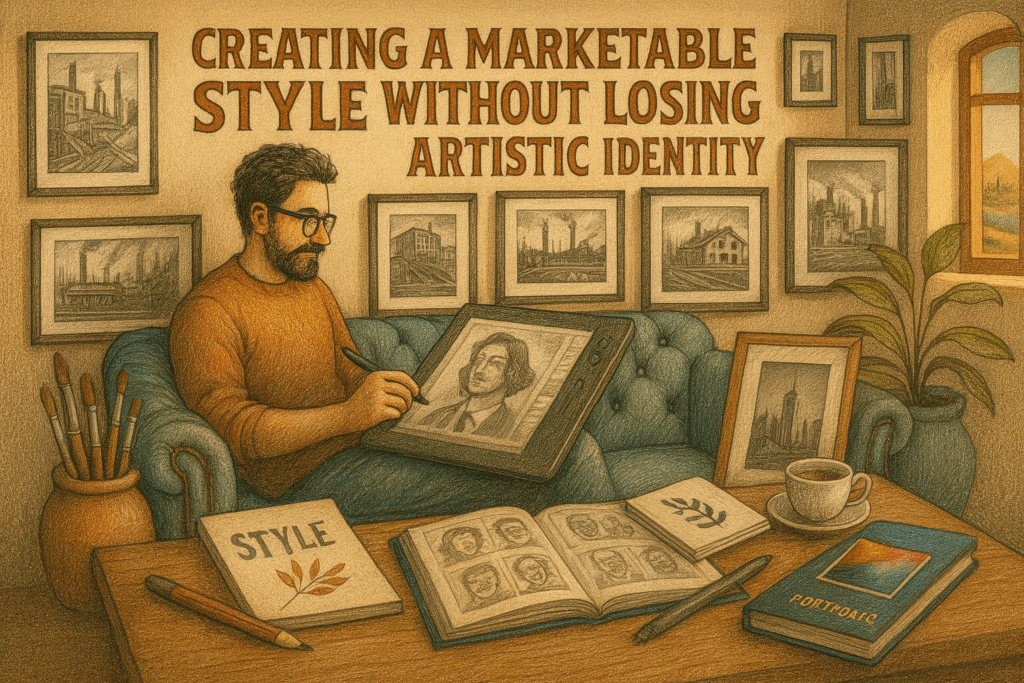
For illustrators navigating the creative industry, one of the most enduring challenges is finding a style that is both authentic and commercially viable. While a distinctive artistic voice is essential for self-expression and recognition, aligning that voice with market expectations can sometimes feel like a compromise. The key lies in cultivating a style that resonates with your personal sensibilities while remaining adaptable enough to meet professional demands.
Artistic identity is shaped by many factors: influences, experiences, techniques, and personal interests. It is what sets one illustrator apart from another in a field full of talented peers. However, when entering the marketplace, illustrators often face pressure to conform to trends or client briefs that don’t align with their instincts. This tension need not be antagonistic. Instead, it can be an opportunity to refine and clarify your visual language.
To develop a style that is both authentic and marketable, start by identifying the core elements that make your work yours. These might include line quality, colour palette, subject matter, or narrative approach. Review your strongest pieces and note what unites them. Are they playful, moody, graphic, or textured? What emotions do they evoke? By articulating these patterns, you gain clarity on your identity, which forms the bedrock of your style.
Next, examine the markets you want to work in—editorial, publishing, advertising, licensing, or animation—and study successful illustrators in those spaces. What visual qualities do their works share? How do they balance individuality with audience appeal? This research is not about imitation but adaptation. It shows you how to position your style within an existing ecosystem without losing what makes it personal.
Experimentation is part of the process. Trying different tools, formats, or themes can reveal new directions while reinforcing your foundational aesthetics. A marketable style often emerges not from narrowing your range, but from deepening your strengths. It’s less about having one look and more about consistency in tone, storytelling, and intent across different media.
Communication with clients is crucial. Clear portfolios, artist statements, and sample briefs help manage expectations. When approached for a commission, clarify your boundaries and ask for references that align with your current body of work. If a client requests a style that doesn’t suit you, it is valid to decline or recommend another artist. Respecting your limits not only protects your identity but also builds long-term trust and credibility.
Branding also plays a role. From your website design to social media posts, every touchpoint should reflect your visual and conceptual world. Consistent presentation helps clients understand your value and encourages the kind of work you want to receive. It’s a feedback loop: the more you show what you do best, the more likely you are to attract aligned opportunities.
Adaptability doesn’t mean sacrificing your voice. It means translating your vision into formats that serve different contexts. A book cover, an editorial spot, and a social media illustration may have different requirements, but they can all carry your signature style if rooted in your creative DNA. The most successful illustrators are those who evolve without losing themselves, who treat commercial work as a dialogue rather than a compromise.
Ultimately, building a marketable style is about trust: trusting your instincts, trusting your audience, and trusting the slow, iterative process of growth. By staying true to your visual voice while understanding the needs of the industry, you can create work that is both meaningful and profitable.
References
Salisbury, Martin. “Illustration: A Theoretical and Contextual Perspective.” Bloomsbury Visual Arts, 2012.
McCloud, Scott. “Making Comics: Storytelling Secrets of Comics, Manga and Graphic Novels.” Harper, 2006.
“Illustration Trends and Industry Advice.” AOI (Association of Illustrators). Accessed January 2025. https://theaoi.com/illustration-trends
Gomez, Lisa Congdon. “Find Your Artistic Voice.” Chronicle Books, 2019.
“Balancing Art and Market: The Modern Illustrator’s Challenge.” Creative Boom. Accessed January 2025. https://www.creativeboom.com/features/marketable-illustration-style